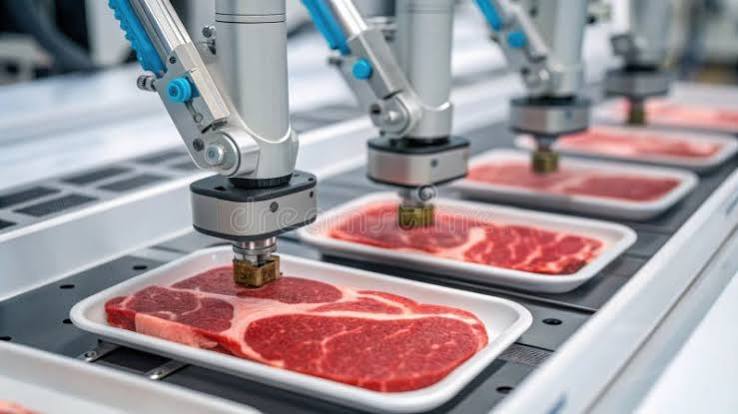
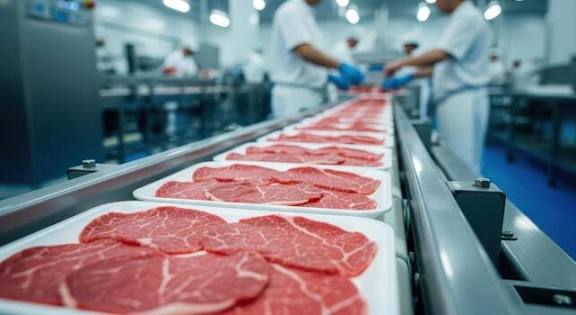
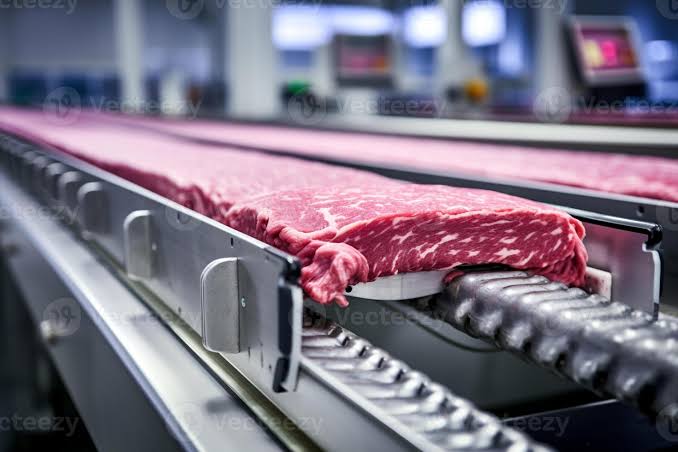
The meat industry is rapidly embracing precision technologies to improve quality, safety, sustainability, and consumer satisfaction. One of the most trending areas in Meat Science is the use of artificial intelligence (AI), sensors, and data analytics for real-time monitoring of meat quality. Traditional meat quality assessment often depends on visual inspection and laboratory-based measurements. New technologies can now evaluate parameters such as pH, colour, tenderness, water-holding capacity, and freshness using non-invasive sensors and imaging systems. AI-based models can analyse this information and predict meat quality more quickly and consistently. Another emerging trend is precision processing, where processing conditions such as temperature, humidity, ageing time, and packaging atmosphere are optimized for individual products. This can help reduce processing losses while maintaining desirable texture, flavour, and shelf life. Smart packaging is also gaining attention. Intelligent labels and sensors can monitor temperature changes and indicate potential spoilage during transportation and storage. Combined with blockchain and digital traceability, these systems can provide consumers with greater confidence about the origin, safety, and quality of meat products. At the same time, sustainability is becoming an important research priority. Scientists are exploring ways to reduce water and energy consumption, minimize food waste, improve by-product utilization, and develop environmentally responsible processing systems. The future of Meat Science will increasingly depend on the integration of biology, food technology, AI, automation, and sustainability, creating a smarter and more transparent meat value chain.
How to Cite this Article:
Dr Nitesh S D (2026).
Smart Meat Processing: The Rise of Precision Meat Science. IMSA Knowledge Library, IMSA-KC-2026-0004.
Category: Meat ProcessingArticle No: IMSA-KC-2026-0004Published: 18 Aug 2026Views: 3